Decoding nations: The EU's largest genome project, Genome of Europe (GoE), has been launched
- The GoE project was initiated in response to the growing use of genetic data in research and clinical applications, as well as the lack of a reference dataset for Whole Genome Sequencing (WGS) in Europe.
- The project brings together the ambitions of the 1+MG initiative, the legal and technical framework developed byGDI (Genomic Data Infrastructure), and genomic data providers to create a valuable database for research and future clinical applications.
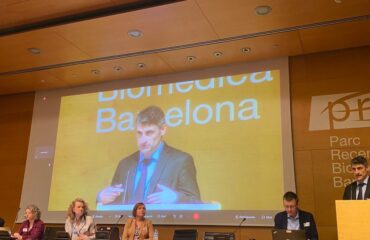
- The kick-off meeting of the Genome of Europe (GoE) project took place on October 30-31 in Rotterdam, Netherlands.
27 countries join forces to establish a single pan-European reference database containing at least 100,000 genomes representative of European citizens
The largest EU-funded population genomics program to date, Genome of Europe (GoE), has been officially launched. Project partners convened in Rotterdam on October 30-31 to initiate the largest EU population genomics program, "Genome of Europe" (GoE). Over the next 42 months, this groundbreaking initiative will establish a pan-European reference database containing at least 100,000 genomes, generating a reference genome by integrating genomic datasets from populations of different nationalities - all to advance personalized healthcare. The reference database will reflect Europe's diverse populations, integrating both existing genomic datasets and newly generated genomic data throughde novo sequencing of distinct national populations. The project involves 49 partners from 27 European countries (26 EU Member States + 1 non-EU) and has secured €45 million in funding, with €20 million provided by the European Commission's Digital Europe program.
The Genomics Research and Development Institute will be one of the partners contributing to this unique task, adding Romanian population data to this reference database.
The main objectives of the initiative include:
- Creating a pan-European community of practice: Establishing a collaborative community to support the reference genome project.
- Assessing the long-term potential of genome sequencingin research and healthcare, including various sequencing technologies such as long-read sequencing, which enables the discovery of previously inaccessible genomic regions.
- Ethics, data security, and legal compliance: The project will be guided by ethical, legal, and social considerations, adhering to strict data security standards and developing (inter)national guidelines for the responsible use of WGS, utlimately leading to improved healthcare for EU citizens.
- Integration of GoE data into Europe's Genomic Data Infrastructure: Incorporating GoE data into the Genomic Data Infrastructure (GDI) project, previously funded through the Digital Europe Program, ensuring interoperability between initiatives.
- Assessing the impact and effectiveness of GoE: Through case studies, analyzing the project's contributions to understanding genetic diversity, enabling the prediction of genetic provenance from multiple ancestral sources, and improving the characterization of genetic risks.
About the Genomics Research and Development Institute:
The Romanian Genomics Research and Development Institute has the mission to establish the national genomics infrastructure for the advancement of biomedical genomics research, thus paving the way for faster and more accurate diagnostics, as well as personalized treatments tailored to the genetic specificity of Romania's populations and each individual patient.
Among the institute's main projects are the generation of the national reference genome, the creation of a genomic and epigenomic map, and the development and application of technologies for early cancer detection and personalized treatment through international collaborations.
For further information, please contact: